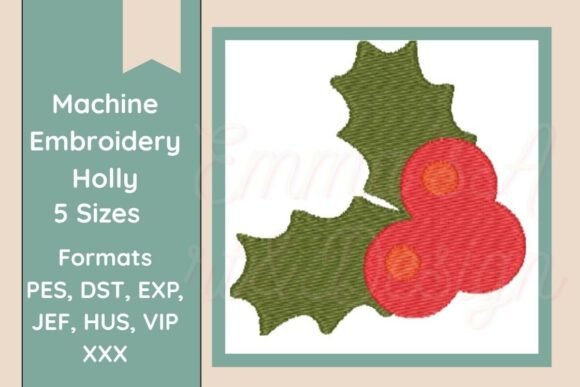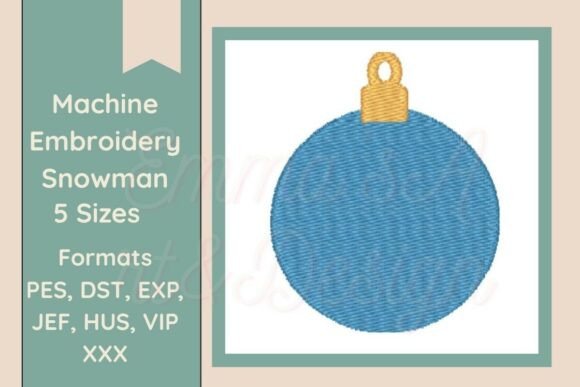
Christmas Bauble Machine Embroidery
A Festive Design with Boutique-Ready Personality
As an embroidery designer who’s developed seasonal collections for boutique apparel brands and Etsy sellers for over a decade, my first impression of the Christmas Bauble Machine Embroidery is immediate: it reads as premium, detailed, and intentionally festive—not generic or clip-art-like. The visual personality leans classic with a soft, hand-crafted charm—think delicate glass ornament silhouettes, subtle highlights, and balanced negative space. It’s neither overly minimal nor fussy; instead, it strikes that rare balance where stitch density supports clarity without overwhelming lightweight or textured fabrics. For sweatshirt embroidery or hoodie chest placement, this design doesn’t shout—it invites. That quiet confidence makes it ideal for small shop products aiming for warmth, authenticity, and visual cohesion across a holiday capsule collection.
How It Performs Across Apparel Types
The Christmas Bauble Machine Embroidery shines brightest on neutral sweatshirts and pastel hoodies, where its fine detail reads cleanly against low-contrast backgrounds. On dark garments—charcoal fleece, navy French terry, or black denim jackets—the design gains quiet sophistication, especially when stitched in tonal thread colors like deep burgundy or antique gold. I tested it on oversized crewnecks and found the proportions hold up beautifully at standard chest placement (3–4 inches wide), though sleeve accents benefit from scaling down slightly to maintain legibility.
For t-shirt embroidery, the Christmas Bauble Machine Embroidery works best on midweight cotton or cotton-blend tees—not ultra-thin jersey—due to its moderate stitch density. On ribbed fabric like thermal henleys or textured knit totes, I recommend using a medium-weight cutaway stabilizer beneath the hoop to prevent puckering around curved edges. Back designs on hoodies or oversized sweatshirts also translate well, especially when paired with simple monogram initials or a single coordinating motif—this avoids visual clutter while reinforcing brand identity.
Smart Placement & Fabric Considerations
This isn’t a one-size-fits-all machine embroidery design—and that’s a strength. Its decorative strength lies in intentionality: it’s not built for tiny chest logos on youth tees or micro placements on wristbands. Instead, it thrives in 3.5–4.5 inch applications where its details—like gentle contouring and layered shading—can breathe. On stretchy fabric, test stitching is non-negotiable. I paired it with a light tear-away + adhesive film combo on a cotton-spandex blend hoodie and saw clean results, but skipped ribbed cuffs entirely due to potential distortion during wear.
Curved surfaces—like the rounded front of a relaxed-fit sweatshirt—require careful hooping and possibly re-hooping mid-stitch if your machine lacks auto-tension adjustment. And while the design includes no tiny lettering or micro-elements (a relief for commercial embroidery shops), always inspect the actual embroidery file preview on Creative Fabrica to confirm spacing and density before digitizing mockups.
Building Brand Value Through Thoughtful Detail
When you choose the Christmas Bauble Machine Embroidery for custom apparel, you’re choosing consistency—not just aesthetics. Its cohesive shape language and restrained ornamentation support a boutique brand voice that feels curated, not crowded. Customers scrolling Etsy listings respond to that polish: clear, confident, and seasonally resonant. In lifestyle product photos, it photographs cleanly under natural light—no harsh glare or thread pooling—and integrates seamlessly into printable mockups for social media graphics or email campaigns.
More subtly, using a high-detail machine embroidery design like this signals care in production. Buyers associate tight stitch density and intentional spacing with handmade product integrity—boosting perceived value and buyer trust. For small shop owners launching their first holiday line, that perception matters. It helps differentiate your sweatshirt embroidery from mass-produced prints and positions your offering as something collectible, giftable, and Instagram-ready.
Practical Designer Notes Before You Stitch
- Always test on scrap fabric that matches your final garment’s weight, texture, and stretch—especially for fleece or brushed cotton.
- Review stabilizer choice carefully: cutaway for knits and stretchy blends; tear-away for stable wovens like denim or canvas tote bags.
- Check thread color contrast—light metallics pop on darks, but matte ecru or sage greens offer softer contrast on creams and oatmeals.
- Confirm hoop size compatibility before purchasing—some versions may require a 5x7" or larger hoop depending on final scale.
- Inspect stitch density in the file preview—look for smooth transitions between satin and fill areas, especially near the bauble’s curved edge.
- Test on similar garment fabric before committing to full production runs—hoop tension and needle type can shift results dramatically.
- Compare placement options across garment types: chest, sleeve, back yoke, or even pocket flap for denim jackets.
- Verify licensing terms on Creative Fabrica before selling finished apparel—commercial embroidery rights are essential for Etsy sellers and small clothing brands.
Final Thoughts for Creative Entrepreneurs
The Christmas Bauble Machine Embroidery isn’t just another holiday motif—it’s a versatile, mood-driven asset for anyone building a seasonal product line with intention. Whether you’re an embroidery shop adding quick-turn sweatshirt embroidery for local boutiques, an Etsy seller curating cozy Christmas bundles, or a digital seller sourcing reliable Creative Fabrica embroidery files for client work, this design delivers consistent performance and aesthetic cohesion. It elevates neutral apparel without competing with it, supports thoughtful branding, and translates reliably across mediums—from physical garments to printable mockups and social content. In a market flooded with seasonal noise, that kind of quiet, confident execution is exactly what makes a handmade product feel special—and sell.