Squirrel with Acorn Embroidery Design
First Impression: Charming, Seasonal, and Instantly Recognizable
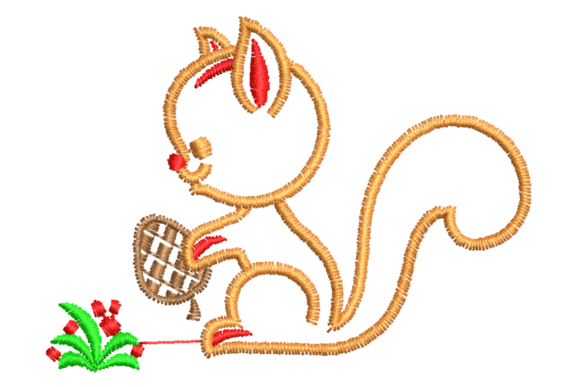
As an embroidery designer who’s prepped over 200 craft fair booths—and shipped thousands of handmade products—I instantly recognize what makes the Squirrel with Acorn Embroidery Design work: it’s warm, friendly, and quietly confident. It doesn’t shout—it invites. The title and description signal woodland charm, not whimsy overload or cartoon exaggeration. That balance is gold for craft fairs, where shoppers scan tables in under three seconds. This design reads as rustic-but-refined: think farmhouse aprons, linen tea towels, and natural-fiber tote bags—not plastic-y novelty items. It feels autumnal without being locked into October; customers see it in September and think “cozy,” and in March they still sense its gentle, earthy appeal.
Where It Shines: Real-World Product Performance
The Squirrel with Acorn Embroidery Design thrives on products where storytelling meets utility. On a heavyweight cotton tote bag? Perfect—centered above the pocket or scaled slightly larger on the front panel, it becomes a conversation starter. As apron embroidery, placed just below the waistband or on the pocket, it adds personality without overwhelming function. For tea towel embroidery, it lands beautifully in the lower corner or centered on the hem—especially on oatmeal, sage, or charcoal linens where thread contrast pops cleanly.
It’s also a standout embroidered patch: clean lines, clear silhouette, and balanced negative space mean it irons on crisply and holds up to washing. As a small shop product, it scales well to fabric pouches and pillow covers—no awkward cropping or lost detail. And yes, it works on caps—but only if stitched with care (more on that below). As a digital embroidery file, it’s versatile enough for Etsy sellers to pair with printable mockups, seasonal listings, and cohesive woodland-themed collections.
What Makes It Sell: Attention, Value, and Booth Impact
In a crowded craft fair aisle, the Squirrel with Acorn Embroidery Design earns attention because it’s both familiar and distinctive. Squirrels are beloved but underused in premium handmade markets—unlike owls or foxes, this one feels fresh, not saturated. Its composition (squirrel + acorn) implies narrative: gathering, preparation, quiet joy—subtle emotional hooks that resonate with buyers seeking meaning, not just decor.
That resonance lifts perceived value. A $28 embroidered tea towel feels intentional and thoughtful with this design—not mass-produced, but carefully chosen. It reinforces handmade quality and brand consistency, especially when paired across product types (e.g., matching squirrel pouch + apron + patch set). In booth displays, it strengthens visual rhythm: group three sizes (small patch, medium tote, large pillow cover) and watch customers pause, point, and reach.
Production Reality Check: What You Must Test Before Batch Runs
Don’t skip the real-world test phase. Even charming designs can stumble in execution. Here’s what I check every time:
- Stitch density: Look closely at the squirrel’s tail and acorn cap—these areas often pack tight satin or fill stitches. On textured towels or thick canvas, they may pucker without proper stabilizer. Use medium-weight cutaway or tear-away depending on fabric stretch.
- Fabric texture matters: That lovely “woodland charm” softness disappears on terry cloth or heavy burlap unless you adjust underlay and reduce density. Always test on your exact production fabric—not a scrap of quilting cotton.
- Cap curvature is unforgiving: If stitching on curved surfaces, confirm hoop size fits comfortably and that the design’s proportions won’t distort. Small details like the acorn stem or eye may blur if digitized too tightly.
- Dark fabric demands contrast: The description doesn’t specify thread colors, so choose high-contrast combos—cream on navy, russet on cream, forest green on oatmeal. Avoid light tan thread on beige linen; it vanishes in person and online.
- Small-scale clarity: At under 3 inches wide, the squirrel’s facial expression and acorn texture may soften. If using as a subtle accent (e.g., corner of a market bag), verify legibility in natural light—not just on screen.
Smart Selling Moves for Creative Entrepreneurs
Etsy sellers and boutique makers should treat the Squirrel with Acorn Embroidery Design as a design asset, not just a one-off. Bundle it thoughtfully: offer the digital embroidery file alongside curated thread palettes and fabric swatch suggestions. Create at least one polished printable mockup showing it on a linen apron and canvas tote—this builds trust and reduces customer questions.
For craft fair prep, stitch a full set of booth samples: one finished product per category (tote, apron, tea towel, patch, pouch). Photograph them together in natural light with wood grain or dried botanicals—no stock backdrops. That authenticity sells better than any description.
And before listing anything as a commercial embroidery product, confirm licensing terms. The description says “perfect for autumn-themed crafts”—but does that include resale of finished goods? When in doubt, contact the designer or marketplace directly. Never assume.
Final Thought: A Timeless Woodland Anchor
This isn’t just another machine embroidery design. The Squirrel with Acorn Embroidery Design is a quiet anchor in the Woodland Animals category—approachable, seasonally flexible, and deeply compatible with slow-made values. It supports storytelling, encourages repeat purchases (customers love collecting coordinated pieces), and photographs beautifully for both in-person booths and online listings. For embroidery business owners and handmade shop owners, it’s not just cute—it’s commercially intelligent. Just remember: test, contrast, stabilize, and show it proudly. Your customers—and your bottom line—will notice the difference.