Dabbing Gingerbread Embroidery
A Playful, On-Trend Character That Elevates Boutique Apparel
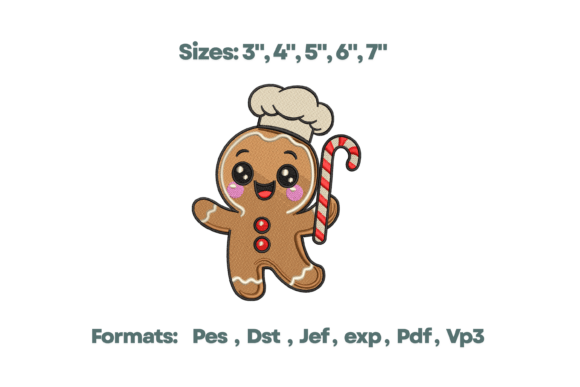
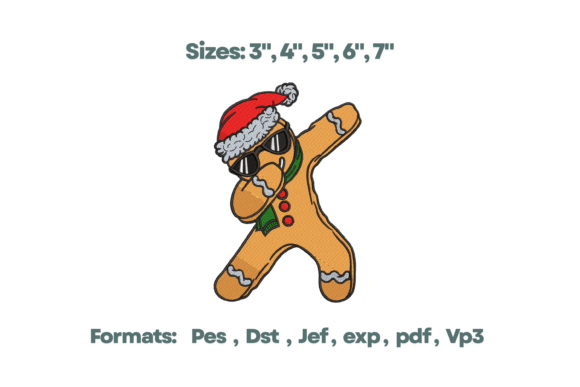
As an embroidery designer who’s developed collections for small clothing brands and Etsy sellers for over a decade, I approach every Creative Fabrica embroidery download with two questions: Does it translate well to real fabric? And does it strengthen—rather than dilute—the brand voice of the shop using it? The Dabbing Gingerbread Embroidery immediately stood out—not just as a Christmas novelty, but as a cohesive, personality-driven machine embroidery design with genuine apparel potential. Visually, it’s bold without being chaotic: a gingerbread man mid-dab, wearing festive accessories and radiating cheeky charm. The stitching mood is energetic and lighthearted—less “vintage cookie cutter,” more “Instagram-friendly seasonal mascot.” It leans playful and modern, not rustic or overly sweet, which makes it unexpectedly versatile across gender-neutral and youth-focused boutique lines.
Sweatshirt & Hoodie Performance: Chest Placement, Sleeves, and Back Panels
This design shines on sweatshirt embroidery—especially neutral heather gray, oatmeal, or soft blush hoodies. At chest placement (standard 3–4 inch width), the Dabbing Gingerbread Embroidery reads cleanly without overwhelming the garment’s relaxed silhouette. Its balanced proportions mean it doesn’t get lost on oversized or boxy fits—a common pitfall with cartoon-style embroidery. On sleeves? A scaled-down version works beautifully as a subtle accent near the cuff or shoulder seam—ideal for layered holiday looks. For back panels, the full-size Dabbing Gingerbread Embroidery holds visual weight without requiring excessive stitch density, making it suitable for commercial embroidery runs on mid-weight fleece or cotton-blend hoodies. Just avoid placing it directly over thick ribbed cuffs or hems where hoop clearance may be tight.
How It Translates Across Fabric Types and Garment Categories
- T-shirts: Works best on 100% cotton or cotton-poly blends with light to medium weight. Avoid ultra-thin or slubbed fabrics unless you reduce stitch density in editing software—check the original embroidery file first.
- Denim jackets: Adds instant character when placed on the left chest or back yoke. Use medium-cutaway stabilizer to prevent puckering on rigid twill.
- Tote bags: Excellent for seasonal merch—stitch it centered on natural canvas or textured linen-cotton blends. The confident outline and clear negative space help it read well at arm’s length.
- Cozy seasonal outfits (e.g., knit sets, lounge pants): Choose placements that avoid high-stretch zones like waistbands or inner seams. Test on scrap fabric with identical stretch recovery before full production.
Design Integrity Meets Commercial Practicality
The Dabbing Gingerbread Embroidery delivers strong decorative strength without sacrificing refinement. It avoids over-detailing—no tiny facial features or fragile thread loops that snag during wear or washing. That’s critical for handmade product longevity and customer trust. When used consistently across a small shop product line (e.g., matching hoodie + tote + crewneck), it builds visual consistency and strengthens brand recognition faster than generic snowflakes or trees. Buyers notice intentional design language—and they associate it with care, not clip art. For Etsy sellers, that translates directly into higher perceived value, better lifestyle product photos, and stronger social media graphics. Pair it with clean sans-serif typography in your printable mockups, and it reads like a curated capsule collection—not a holiday afterthought.
Where to Use It Thoughtfully—And Where to Pause
While the Dabbing Gingerbread Embroidery is highly adaptable, certain placements demand extra attention. On dark garments, confirm thread color contrast in the embroidery file preview—some reds or browns may mute against navy or charcoal unless paired with bright white or metallic accents. On curved surfaces (like rounded pockets or tapered jacket backs), always test hoop alignment and fabric tension on a scrap first. Dense stitch areas—especially around the gingerbread man’s arms and hat brim—can cause slight shadowing on lightweight fleece; consider switching to tear-away stabilizer for softer drape. And never skip checking hoop size compatibility: if your embroidery machine uses smaller hoops, verify whether the Dabbing Gingerbread Embroidery fits within your maximum stitching area—or if resizing compromises clarity.
Professional Designer Notes Before You Stitch
- Test the Dabbing Gingerbread Embroidery on scrap fabric cut from the *exact* garment batch you’ll use—fabric texture changes everything.
- Match stabilizer type to both fabric weight *and* stitch density: cut-away for knits, tear-away for stable wovens, fusible for lightweight linens.
- Review thread color suggestions in the Creative Fabrica product details—but don’t assume they’re optimized for your specific apparel. Swatch combinations on garment fabric under natural light.
- Confirm hoop size requirements and machine compatibility *before* purchase—especially if you work with older or compact embroidery units.
- Inspect stitch density visually in your embroidery software. If it looks overly saturated in the gingerbread outline or dab gesture, adjust underlay or reduce density slightly.
- Compare placement options using printable mockups—chest, sleeve, back—to see how scale and proportion shift across garment types.
- Always check Creative Fabrica’s licensing terms for commercial embroidery products. Some digital embroidery files permit finished goods resale; others restrict usage. Clarify before listing on Etsy or launching a boutique brand campaign.
Final Thought: More Than a Holiday Gag—A Cohesive Design Asset
The Dabbing Gingerbread Embroidery isn’t just fun—it’s functional. It bridges seasonal relevance with year-round brand flexibility (think: reusing the motif in next year’s “Dabbing Snowman” or “Dabbing Reindeer” spin-offs). For embroidery shops and custom apparel makers, it’s a low-risk, high-return addition to your Christmas inventory—especially when paired with thoughtful execution. It supports storytelling, invites engagement, and elevates the finished product beyond craft to collectible. In a crowded market of generic holiday embroidery, this one stands out—not because it’s loud, but because it’s intentionally designed for real people, real fabric, and real small businesses building something meaningful, one stitch at a time.