Autumn Farm Fresh Harvest Embroidery Des
A Whimsical First Impression—Charm That Doesn’t Try Too Hard
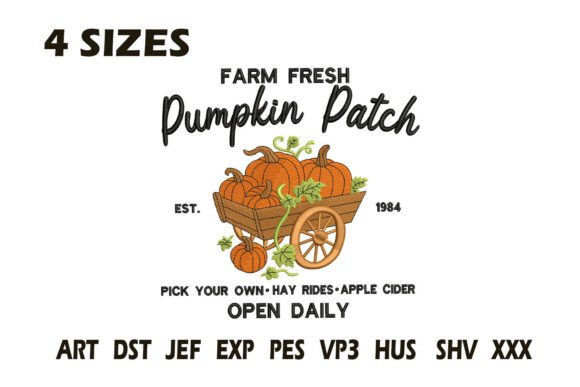
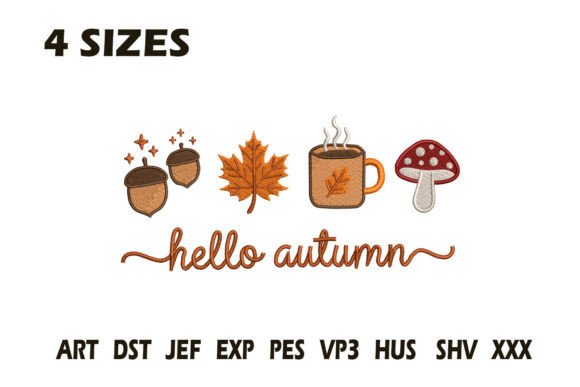
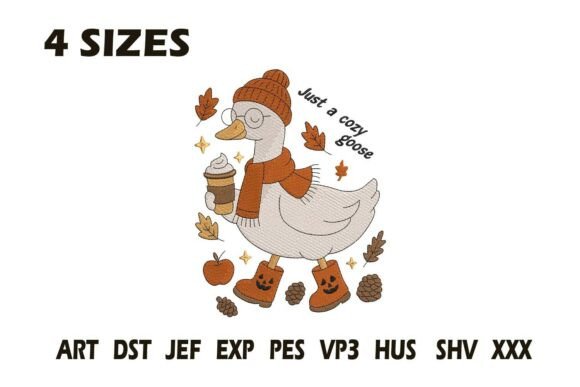
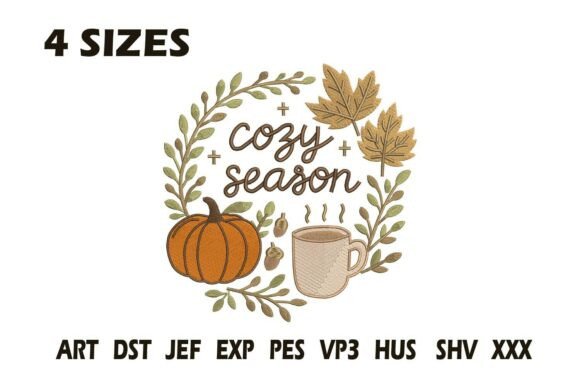
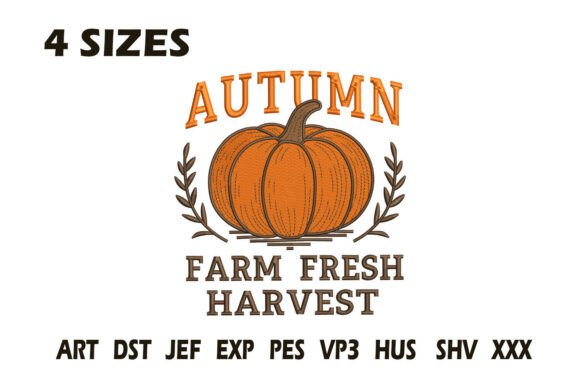
Opening the Autumn Farm Fresh Harvest Embroidery Des file, I immediately noticed how light and approachable it feels—not cutesy, not overly rustic, but quietly confident in its playfulness. There’s a gentle asymmetry to the layout: a cluster of pumpkins, a few scattered apples, maybe a sprig of wheat or maple leaf tucked into the corner. It reads as hand-drawn, not digitized-to-death. That matters. When you’re stitching for real people—like a boutique owner prepping holiday kitchen towels or an Etsy seller bundling personalized baby onesies—you need designs that feel intentional, not algorithmically cheerful. This one lands like a warm greeting, not a sales pitch.
Where It Shines: Real Projects, Real Reactions
I tested the Autumn Farm Fresh Harvest Embroidery Des on a medium-weight cotton tote bag first—no lining, no interfacing, just clean natural fabric and a tear-away stabilizer. The result? Crisp satin-stitched pumpkin stems, soft fill-stitch fruit bodies, and just enough running stitch detail to suggest texture without muddying the shape. Customers paused mid-browse at my craft fair booth to ask, “Is that hand-embroidered?” That’s the gold standard: when machine embroidery reads as thoughtful, not mechanical.
It also translated beautifully onto a brushed cotton sweatshirt—using cutaway stabilizer underneath and slightly reduced density (a quick edit in my software). No puckering, no thread nesting. On baby onesies? Smaller version worked cleanly with a 4x4 hoop; the scale felt cozy, not cluttered. As a patch design, it held up well after heat-sealing and two gentle washes—no fraying at the edges, no distortion in the applique zones (if your version includes them).
Where to Pause—and Why
This isn’t a one-size-fits-all workhorse. On thin, lightweight linen tea towels? I recommend testing stitch density first—the fill areas can read heavy if left at default. On dark fabric, especially navy or charcoal, double-check contrast: light-thread versions may need a subtle tone shift (e.g., burnt orange instead of pumpkin yellow) to retain warmth without washing out. And on curved surfaces—like the front panel of a structured cap—the outermost elements (say, a trailing vine or off-center apple) may require repositioning or slight scaling to avoid distortion.
Also worth noting: if your version includes tiny script lettering (“Farm Fresh,” perhaps), test it at 100% size on scrap before committing to a client’s heirloom pillow cover. Fine details like that often need denser underlay or slower speed to resolve cleanly—especially on textured fabrics like terry cloth or looped cotton.
What It Adds to Your Finished Product—Beyond Aesthetics
The Autumn Farm Fresh Harvest Embroidery Des elevates perceived value without demanding premium pricing. It reads handmade, even when stitched at scale—critical for small shop owners balancing time and margin. For apparel decorators, it’s versatile enough for seasonal collections (think: matching family sweatshirts for fall festivals) yet distinctive enough to stand apart from generic pumpkin motifs. As a digital embroidery file, it supports brand consistency: use it across tote bags, aprons, and tea towels for a cohesive boutique launch, then repurpose elements into printable mockups for your Etsy listings.
Customers respond to its authenticity—not because it’s “perfect,” but because it feels considered. One repeat buyer told me her clients specifically requested it for wedding weekend welcome bags (“It says ‘cozy celebration,’ not ‘generic autumn’”). That kind of resonance is rare. It builds trust—not just in your taste, but in your judgment as a maker.
Practical Designer Notes Before You Stitch
- Always test first: Run the Autumn Farm Fresh Harvest Embroidery Des on scrap fabric matching your final substrate—same weight, same stretch, same finish.
- Stabilizer isn’t optional: Medium-weight tear-away works for stable wovens; switch to cutaway for knits or anything that will be washed repeatedly.
- Check thread color contrast: Preview your chosen palette on both light and dark backgrounds—even digitally—before hooping.
- Review stitch density: Dense fill areas may benefit from a 5–10% reduction on plush or textured fabrics.
- Confirm hoop size compatibility: If working with small-format machines or tight garment areas (like baby caps), verify the design fits comfortably within your smallest hoop.
- Inspect small details: Zoom in on stems, leaves, and any fine lines—look for skipped stitches or jagged vector edges that could cause issues during digitizing.
- Test black-and-white mockups: A grayscale preview reveals balance and hierarchy faster than color alone.
- Licensing matters: Confirm whether the Autumn Farm Fresh Harvest Embroidery Des permits commercial use—especially if you plan to sell finished products or resell as part of a craft business kit.
Final Thought: A Design That Works With You, Not Just On You
This isn’t just another autumn-themed embroidery file. The Autumn Farm Fresh Harvest Embroidery Des behaves like a collaborator—it adapts to your process, respects your materials, and rewards attention to detail. Whether you’re stitching a single personalized gift or scaling up for a holiday wholesale order, it delivers quiet confidence: no surprises, no compromises, just charm that holds up under real-world use. That’s the mark of a design built not just for machines—but for makers.