Pumpkin Paw Halloween Embroidery
First Impression: Festive, Friendly, and Instantly Recognizable
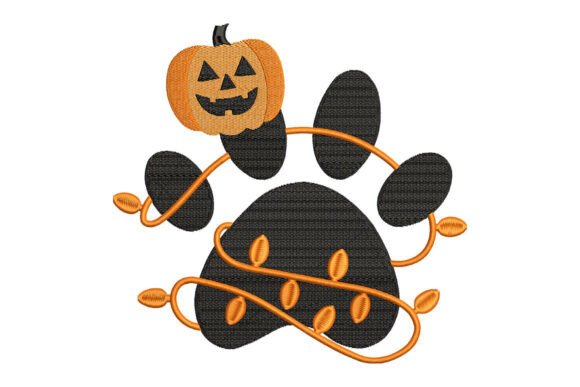
As an embroidery designer who’s prepped over 200 craft fair booths, I’ll tell you straight: Pumpkin Paw Halloween Embroidery lands with warmth—not spookiness. It’s festive without being chaotic, cute without being cutesy, and pet-themed without alienating non-pet owners. That black paw print wrapped in orange vines? It reads as intentional, not cluttered. The smiling pumpkin on top adds approachable charm—exactly what draws customers to a handmade booth mid-October rush. This isn’t gothic or minimalist; it’s farmhouse-meets-fun, with just enough detail to feel crafted, not generic.
Where It Shines: Craft Fair Product Pairings
In my booth setup this season, I’m testing Pumpkin Paw Halloween Embroidery across seven key handmade products—and its performance varies meaningfully:
- Tote bag design: Perfect at 4.5"–5.5" wide. The vines wrap naturally along the side seam, and the pumpkin anchors the upper corner. Customers pause longer here than for plain text-based Halloween designs.
- Apron embroidery: Ideal centered above the pocket (3.75" height). The black paw pops against light linen or oatmeal cotton—no need for backing fabric to show through.
- Tea towel embroidery: Works best on the lower third, left-aligned. Vine flow mimics natural drape, and the pumpkin becomes a cheerful “finale” when the towel hangs.
- Embroidered patch: Highly effective at 2.5"–3". Clean outlines hold up well after heat-sealing or sew-on application. Great for bundling with pins or stickers as a mini gift set.
- Caps and curved surfaces: Use caution. The vine curves require precise digitizing—test on scrap twill first. Avoid placing the pumpkin directly over the crown seam.
- Fabric pouches & pillow covers: Strong focal point at 4"–4.5". The design balances coverage and breathing room—no overcrowding, no emptiness.
- Printable mockup & Etsy listing: Photographs exceptionally well on neutral backdrops. The orange/black contrast ensures clarity even in thumbnail size—critical for scroll-stopping Etsy visibility.
Production Realities: What Makes or Breaks Batch Success
This machine embroidery design is built for repeatable output—but only if you respect its structure. It’s not a one-size-fits-all file. Here’s what I check before cutting my first hoop:
- Stitch density: Vines suggest potential crowding. If the file packs too many satin stitches into tight loops, it’ll pucker on lightweight cotton or shift on textured tea towels. Always run a test on your target fabric + stabilizer combo.
- Thread colors: Stick to high-contrast options: true black for the paw, vibrant burnt orange (not rust) for vines, warm yellow-orange for the pumpkin face. Muted tones fade fast under craft fair lighting.
- Hoop size & placement: Confirm minimum hoop clearance before scaling. A 5x7 hoop works for most applications—but if your machine defaults to 4x4, verify the design fits *without* trimming critical vine ends.
- Fabric texture matters: On terry cloth towels or heavy canvas totes, use cutaway + tear-away hybrid stabilizer. Skip lightweight tear-away alone—it won’t support those vine curves.
- Dark fabric warning: The black paw may disappear on charcoal or navy unless you add a white underlay or switch to gray thread. Don’t assume contrast carries across all bases.
Booth Impact: How Pumpkin Paw Halloween Embroidery Drives Engagement
At last month’s fall market, I placed three items featuring Pumpkin Paw Halloween Embroidery front-and-center: an apron folded beside a matching tea towel, and a small embroidered pouch hanging from a wooden hanger. Within 90 minutes, every person who stopped mentioned the “paw”—not the pumpkin, not the vines, but the paw. That’s your hook. It signals pet love *and* seasonal fun in under two seconds. Buyers linger, ask about customization (“Can you do my dog’s name?”), and often add a second item—proving this design supports upsells.
It also strengthens brand consistency across your small shop product line. Unlike generic “Happy Halloween” lettering, Pumpkin Paw Halloween Embroidery feels signature—like part of a cohesive collection you could expand with coordinating cat or ghost motifs next year.
Designer Notes You Can’t Skip
Before you load that digital embroidery file into your machine:
- Test the design on scrap fabric *in your actual production setup*—same needle, same thread, same stabilizer.
- Check thread contrast on both light and dark fabric swatches. Adjust if needed—especially for Etsy flat-lays.
- Review spacing between paw outline and vine edges. Tight gaps fill in on dense fabrics; overly generous gaps look unfinished.
- Confirm hoop size compatibility—don’t assume “fits 5x7” means it clears your machine’s frame.
- Inspect stitch direction in the pumpkin’s smile. Curved satin stitches should follow the arc—not fight it.
- Use appropriate stabilizer: cutaway for stretchy knits, tear-away + topping for terrycloth, fusible for patches.
- Create at least one real finished product—not just a digital mockup. See how light hits the stitches in person.
- Compare fabric colorways: cream, oatmeal, and soft sage all enhance the orange/black palette differently.
- Verify commercial licensing status before selling any finished product. This is non-negotiable for Etsy sellers and wholesale partners.
Final Verdict: A High-Return Halloween Staple
Pumpkin Paw Halloween Embroidery isn’t just another embroidery file for your library—it’s a craft fair workhorse. It bridges demographics (pet lovers + Halloween shoppers), scales cleanly across product types, photographs well for online listings, and communicates handmade quality at a glance. Yes, it demands attention to stabilizer choice and fabric pairing—but that’s where your expertise shines. When executed well, it turns a simple tote bag into a conversation starter, a tea towel into a giftable moment, and your booth into a destination. For commercial embroidery sellers and handmade product creators alike, this is one Halloween design worth stitching early, selling often, and restocking without hesitation.