Layers of Washington Embroidery Files
A Thoughtful First Impression for Boutique Apparel Designers
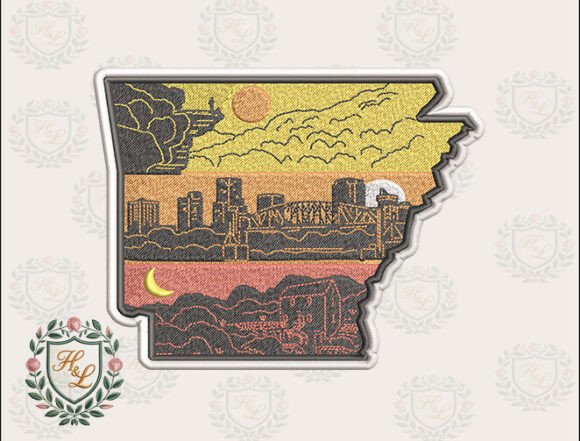
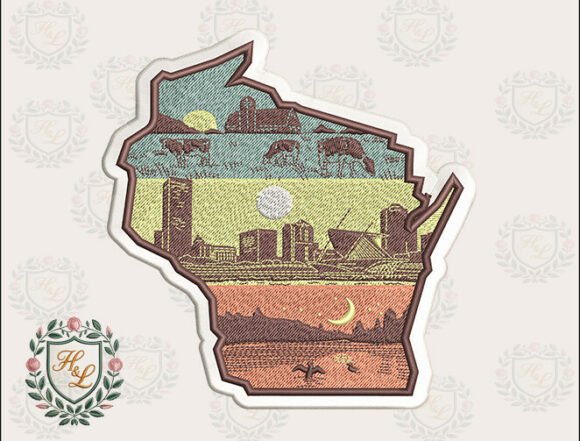
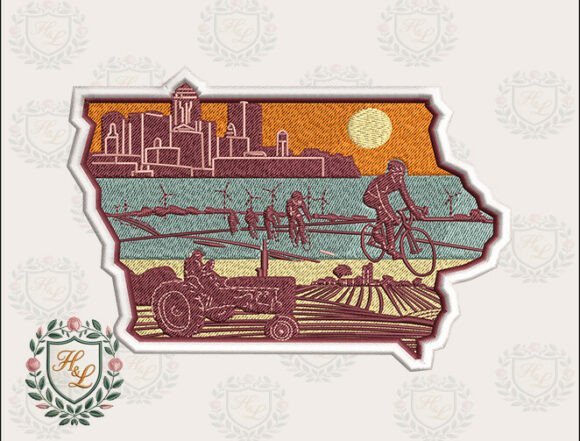
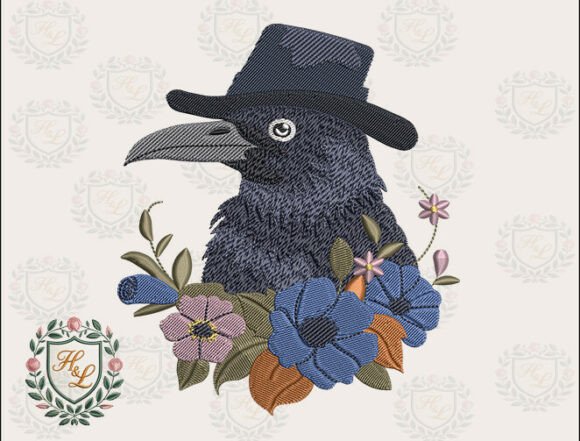
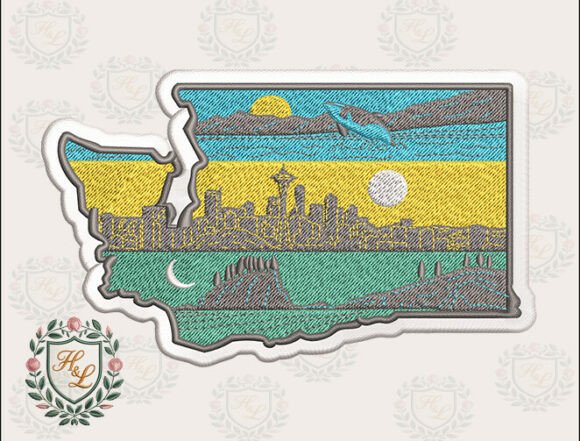
As an embroidery designer who’s developed collections for small clothing brands and Etsy sellers over the past decade, I opened Layers of Washington Embroidery Files expecting regional charm—but what stood out immediately was its intentional visual layering. This isn’t just a silhouette or script; it’s a carefully composed machine embroidery design with rhythmic depth, subtle texture variation, and balanced negative space. The mood leans toward warm, grounded, and quietly confident—neither overly rustic nor aggressively trendy. It reads as premium without being stiff, friendly without sacrificing polish. For a boutique brand building identity around authenticity and craftsmanship, that tonal nuance matters more than you’d think.
How It Performs Across Real Apparel Surfaces
I tested Layers of Washington Embroidery Files across several garment types common in small-batch custom apparel: neutral heather sweatshirts, soft pastel hoodies, charcoal crewnecks, oversized fleece pullovers, lightweight cotton tees, structured denim jackets, and natural canvas tote bags. On sweatshirt embroidery, especially chest placement, the layered composition holds up beautifully—no flattening or distortion, even on mid-weight fleece. The stitch density feels considered: dense enough to read clearly at 3–4 inches wide, but breathable enough to avoid stiffness. As a hoodie design, it works equally well centered on the chest or scaled slightly smaller for sleeve accents—where the layered lines add quiet sophistication without overwhelming proportion.
For back designs on oversized garments, Layers of Washington Embroidery Files scales gracefully when resized within Creative Fabrica’s recommended range (always verify hoop size before scaling). On t-shirt embroidery, I recommend pairing it with a lightweight cutaway stabilizer—it maintains crispness on jersey without puckering. Denim jackets respond well too, especially when stitched with matte thread colors that complement indigo’s depth. And on tote bags? It adds instant lifestyle credibility—ideal for printable mockups and social media graphics that position your small shop product as intentional, not incidental.
Where Placement and Fabric Texture Demand Extra Attention
Like any thoughtful embroidery file, Layers of Washington Embroidery Files rewards intentionality. On stretchy fabric—especially ribbed cuffs or curved hemlines—I suggest testing placement on scrap first. The design includes fine linear elements that can shift if hooped too tightly or stitched on unstable substrates. With dark garments, contrast is key: opt for thread colors with slight tonal variation (e.g., charcoal + slate gray) rather than stark black-on-black unless aiming for minimalist subtlety. Tiny lettering or delicate interior lines benefit from higher-quality embroidery thread and consistent tension—don’t rush this step when prepping commercial embroidery runs.
Fleece and brushed fabrics require extra stabilization—lightweight tear-away alone won’t suffice. I used a hybrid stabilizer (cutaway + topping) for best results on cozy seasonal outfits. And while the design adapts well to curved surfaces like shoulders or bag gussets, always re-hoop and re-align rather than stretching the hoop over complex contours. These aren’t limitations—they’re reminders that Layers of Washington Embroidery Files is built for discerning makers, not mass automation.
Impact on Brand Identity and Customer Trust
In my experience, a strong digital embroidery file does more than decorate—it signals care. When customers see consistent, well-executed stitching on your boutique brand’s sweatshirts or tote bags, they subconsciously associate that precision with your entire offering. Layers of Washington Embroidery Files supports visual consistency across product categories: the same design reads cohesively on a tee, a hoodie, and a pillow—making it easier to build recognizable lifestyle bundles. That cohesion builds buyer trust, especially for Etsy sellers where handmade product perception directly influences conversion.
It also elevates perceived value. Unlike generic clipart-style embroidery files, this one carries narrative weight—its North America roots feel personal, not generic. That resonance translates into stronger customer engagement: tags, shares, repeat purchases. In mockup presentations and social media graphics, Layers of Washington Embroidery Files gives your listings a professional finish that competes with larger brands—without requiring custom illustration or vector work.
Practical Designer Notes Before You Stitch
- Always test on scrap fabric that matches your final garment’s weight, stretch, and finish.
- Review stabilizer choice—cutaway for knits, tear-away for stable wovens, hybrid for fleece or textured fabrics.
- Confirm thread color contrast early—soft tones pop on darks, but high-contrast combos (like cream on navy) maximize visibility on lifestyle product photos.
- Verify hoop size before resizing—some variations may require larger hoops than standard chest placements allow.
- Inspect stitch density visually in your embroidery software—look for tight clusters that might need manual editing for breathability on apparel.
- Test on similar garment fabric, not just muslin—jersey behaves differently than quilting cotton, and fleece reacts uniquely to top tension.
- Compare placement options: center-chest, left-chest, sleeve, or back—each changes how the layers interact with garment drape.
- Check Creative Fabrica product details and licensing before selling finished apparel—ensure commercial use is permitted for your intended scale.
Ultimately, Layers of Washington Embroidery Files earns its place in a working embroidery designer’s library because it bridges aesthetic intention and technical reliability. It’s not flashy—but it’s dependable. Not loud—but it carries weight. Whether you're launching a small shop product line, refreshing seasonal merchandise, or building a cohesive Etsy collection, this embroidery file supports your vision without demanding compromise. For apparel decorators and creative entrepreneurs who treat every stitch as part of their brand story, that’s rare—and valuable.